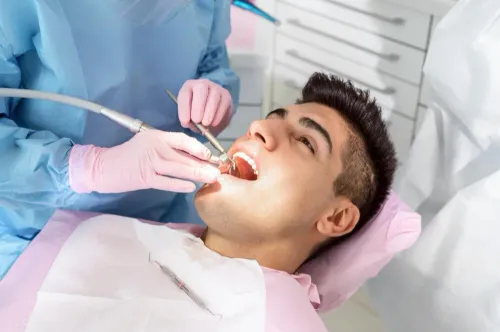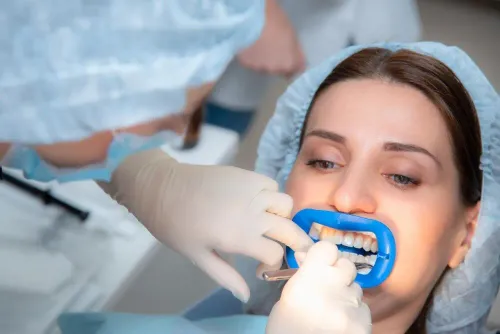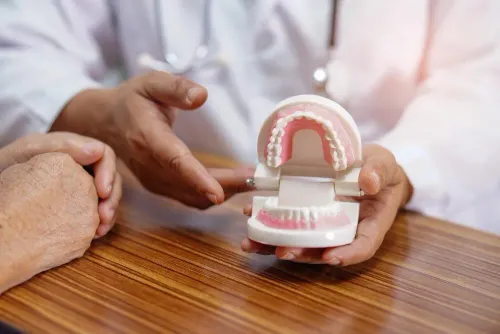
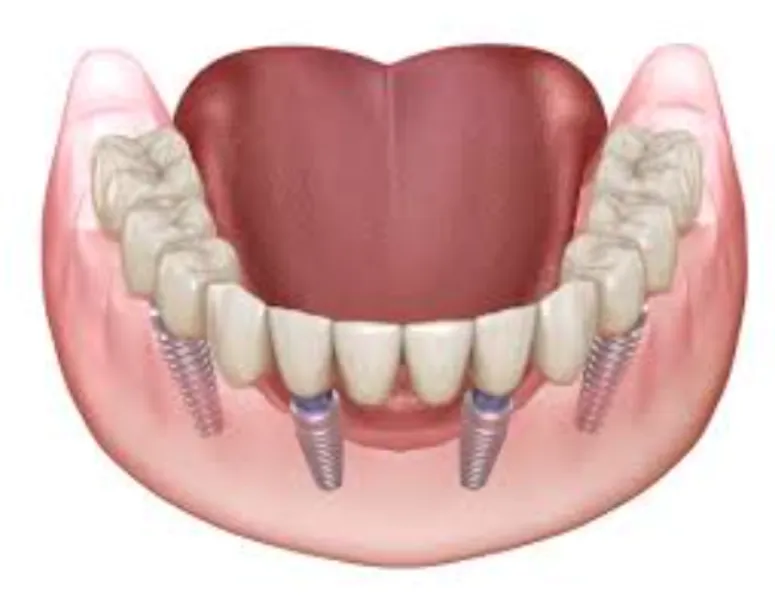
When several teeth are damaged, missing, worn down, or causing difficulty while chewing, treating each problem independently may not always provide the most practical long-term solution. Full Mouth Rehabilitation takes a comprehensive approach by assessing the teeth, gums, bite, jaw function, and overall oral health before planning treatment.
For patients in Hiranandani Estate, Thane West and surrounding areas of Maharashtra, full mouth rehabilitation may be considered when multiple dental concerns are affecting everyday comfort, appearance, or oral function.
What Does Full Mouth Rehabilitation Include
Full mouth rehabilitation is not one fixed dental procedure. It is an individualized treatment plan that may combine different restorative and cosmetic procedures depending on the condition of the mouth.
Treatment may involve:
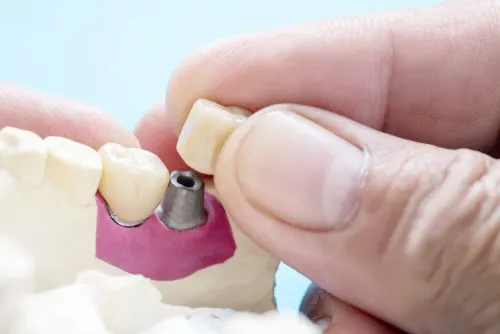
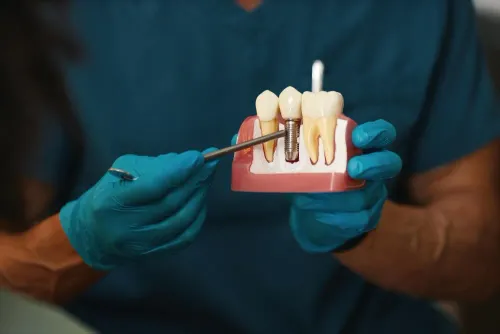
- Dental implants for missing teeth
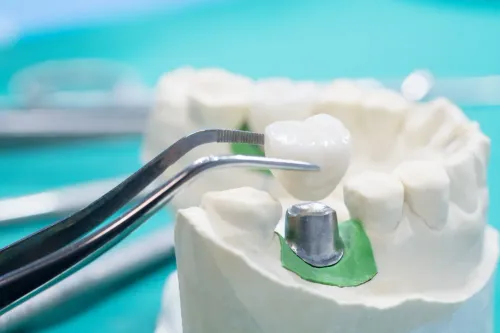
- Crowns for weakened or heavily restored teeth
- Bridges for suitable tooth gaps
- Root canal treatment where a tooth can be preserved
- Veneers in selected aesthetic cases
- Gum treatment when periodontal health needs attention
- Bite correction where tooth position or wear affects function
The sequence is important. A dentist generally addresses active infection, gum problems, damaged teeth, and functional concerns before completing the final restorations.
Who May Need Comprehensive Dental Rehabilitation
A detailed evaluation may be useful if you have several missing teeth, extensively worn teeth, repeated dental restorations, difficulty chewing, fractured teeth, or a combination of functional and cosmetic concerns.
Some patients also develop changes in their bite after losing teeth over several years. Others may have old crowns, bridges, fillings, and untreated teeth that need to be evaluated together rather than individually.
Why Planning Matters
Full-mouth treatment often involves several stages. Before recommending procedures, the dentist may assess dental X-rays or scans, gum condition, remaining tooth structure, available bone for implants, jaw relationships, and the way the upper and lower teeth meet.
This helps answer an important question: Which teeth can reasonably be preserved, and which areas need replacement?
Saving suitable natural teeth is often an important part of treatment planning. Dental implants or other replacements can then be considered for teeth that cannot be retained or are already missing.
Treatment Is Different for Every Patient
Two people with multiple damaged or missing teeth may require completely different plans. Age alone does not determine suitability. Gum health, bone condition, existing medical factors, oral hygiene, expectations, and the complexity of dental problems all influence treatment decisions.
At Kaira Dental Care & Implant Centre, patients considering extensive dental restoration can undergo an assessment to understand which procedures may be appropriate and how treatment can be organized in stages.
For people living in Hiranandani Estate, Thane West, Maharashtra, a well-planned rehabilitation approach can make complex dental treatment easier to understand. The objective is not simply to improve how teeth look, but to rebuild a comfortable, maintainable and functional oral condition based on individual clinical needs.
Keywords