A chipped edge, uneven tooth length, discolouration or a small space between teeth can make your smile look less balanced, but veneers are not suitable for every cause or every bite. You will learn what veneers can change, when orthodontics or another treatment is safer, and how shade, preparation and long-term maintenance affect the decision.
Key takeaways
- Veneers change visible tooth shape and colour, not tooth position or your bite.
- They suit minor gaps and shape concerns, but crowded teeth may need orthodontics.
- Check enamel thickness, tooth health and reversibility before choosing veneers.
- Whiten natural teeth before matching veneer shades to avoid uneven colour.
What veneers change on the visible part of a tooth
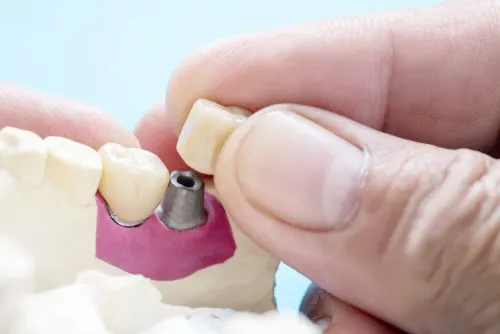
Veneers change how a tooth looks from the front, not where it sits or how your teeth meet. What are dental veneers? They are thin coverings bonded to the visible front surface of a tooth.
The main tooth shape correction types of veneers are porcelain veneers and composite resin veneers. Both add material that can make a tooth appear wider, longer, more even in contour, better matched at the edges and lighter in colour.
| Option | How it is made | Main practical difference |
|---|---|---|
| Porcelain veneers | Fabricated to fit, then bonded to the tooth | Strong colour stability and stain resistance, with less convenient repair if chipped |
| Composite resin veneers | Built directly on the tooth and shaped by the dentist | Easier to repair or modify, but more vulnerable to staining and wear |
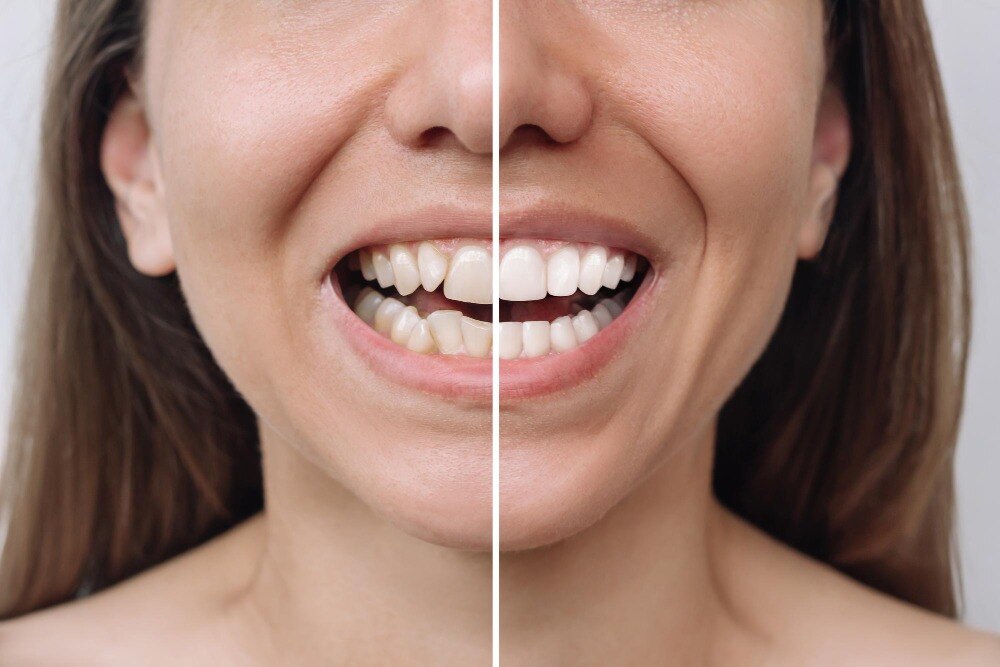
A carefully shaped veneer can make a minor gap look closed by extending the tooth edges toward each other. The teeth underneath do not move. The result depends on proportion: add too much material and the teeth can look broad, while bulky gum-line contours collect plaque and become harder to clean.
Veneers can also balance uneven incisal edges or disguise small colour differences. They do not correct tooth rotation, significant crowding or a bite that brings the teeth together incorrectly. Smile correction through veneers is an appearance change; orthodontic treatment is what changes tooth position.
Which smile concerns veneers can solve—and which need another approach
Veneers work best when the problem is a small change in visible shape, not tooth position. They can address veneers for minor gaps, uneven edges, mild shape differences, slight apparent shortening and persistent colour differences after the colour plan is settled.
They alter the front surface; they do not move the underlying tooth or correct the bite.
| Concern | Better match | Why |
|---|---|---|
| Small gap or uneven edge | Veneers for minor gaps | Added material can make a narrow space look closed and balance tooth proportions. |
| Noticeably rotated tooth | Orthodontics | Braces or clear aligners move the tooth instead of building out one side. |
| Significant crowding | Orthodontics | Veneers for crowded teeth can create broad, over-contoured teeth that trap plaque. |
| Mild shape difference | Veneer or composite bonding | The dentist can add or reshape visible contours. |
| Persistent colour difference | Veneer after shade planning | The shade is selected after the whitening plan is settled. |
Orthodontics versus veneers involves a clear trade-off: braces and aligners take longer and require retainers, but they preserve the front surface of every tooth while changing position. Veneers for crooked teeth suit only minor visual irregularity; they are a poor disguise for major rotation or crowding.
Cosmetic treatment must wait until these problems are controlled:
- Active decay or a failing filling, because a veneer can conceal damage rather than repair it.
- Gum disease, because inflamed tissue compromises the margin and cleaning.
- A severely weakened tooth, because it may need restorative protection instead.
- A bite problem, because biting forces can damage or dislodge the veneer.
How suitability, enamel preparation and reversibility are assessed
Before recommending a veneer, the dentist completes a veneer suitability assessment: examining each tooth, checking the bite and jaw contacts, evaluating gum health, and taking photographs for planning. X-rays are ordered when the roots, supporting bone, hidden decay or existing restorations need assessment.
Enamel matters because most porcelain veneers require veneer enamel removal. Once enamel is removed, treatment is generally irreversible; a veneer is not a removable cover, and replacement usually means another restoration. Composite additions can conserve more enamel, but tooth structure, bite, colour and the planned shape determine whether they are suitable.
Porcelain veneers | Composite additions | No-preparation claim Enamel | Usually requires some preparation | May conserve more enamel | Ask exactly where bonding will occur Reversibility | Usually irreversible | Sometimes easier to modify or repair | Not automatically reversible Main trade-off | Better colour stability and stain resistance | More prone to staining and wear | Added bulk can affect bite and cleaning
During a veneer consultation, ask:
- Are veneers reversible in my case, and how much enamel will be removed?
- Will existing fillings remain, be replaced, or weaken the bond?
- What sensitivity is expected, and when would persistent sensitivity or pain on biting need review?
- Do I clench or grind, and would a night guard protect the result?
Kaira Dental Care & Implant Centre can use these findings to build an individual plan, including restoration, alignment or whitening before cosmetic bonding, rather than treating every smile as a veneer case.
Why whitening and shade planning must happen in the right order
Whitening must happen before final veneer shade selection because natural teeth change colour, while porcelain, composite veneers, crowns and fillings do not. Approving a shade too early can leave the veneer visibly lighter or darker than the teeth beside it.
- Assess the teeth visible in your natural smile, including the colour and position of existing crowns and fillings. The plan must cover the teeth people see, not just the single tooth receiving a veneer.
- Complete professional whitening before veneers if the surrounding natural teeth need it. Whitening changes natural enamel, so allow a settling period before recording the final shade.
- Select the veneer colour after the shade has stabilised. The dentist considers translucency, surface texture and how the shade appears in daylight, indoor lighting and dental photography.
- Discuss future whitening before bonding. If you are asking, can veneers be whitened, the practical answer is no: whitening gel will not reliably lighten a bonded veneer, crown or filling.
A mismatch between veneers and existing crowns is especially difficult to correct because replacing the crown may be the only way to change its colour. The dentist also balances colour with shape, length and proportion; an extremely bright veneer with excessive width or length can make a balanced smile look artificial.
Shade is not the entire design. A natural-looking result depends on colour working with edge symmetry, contour and surface texture, not on choosing the whitest available option.
What the veneer process involves and what maintenance costs you effort
The veneer procedure steps move from design to testing before anything is permanently bonded.
1. Consultation, photographs and smile planning establish the visible teeth, gum line, proportions and goals.
2. You select tooth shape, length and shade with the dentist. Discuss edge symmetry, tooth width and how much of a gap should remain visible.
3. Enamel preparation is completed when required. Most porcelain veneers involve removing some enamel, so this step is generally irreversible.
4. The dentist records the prepared teeth with impressions or digital scans. Temporary veneers may protect the teeth and test the planned appearance between visits.
5. During the veneer try-in, check speech, bite, length and appearance in different expressions and lighting. Raise concerns now—not after permanent bonding—if an edge looks uneven, a tooth looks too wide or a gap looks over-closed.
6. After approval, the final veneers are bonded and adjusted. A follow-up checks comfort, gum response and the bite.
Short-term sensitivity can follow preparation, but persistent pain, pain on biting, an altered gum position or worsening discomfort needs review.
Veneer aftercare and maintenance takes daily cleaning, regular reviews and sensible habits. Nail biting, chewing hard objects and grinding increase the risk of chipping, fracture, debonding and marginal staining; use a night guard when recommended. Veneers do not last for life, so include eventual repair or replacement in your long-term plan.
Frequently asked questions
What do dental veneers change?
Veneers alter the visible front surface of a tooth, including its shape, colour and minor gaps. They do not move teeth or change how they meet.
Which smile concerns can veneers correct?
Veneers can address selected concerns involving tooth shape, colour and minor gaps. Crowding, bite problems and tooth-position changes may require orthodontic or other treatment.
Are dental veneers reversible?
Reversibility depends on how much enamel must be prepared and the veneer design. Ask the dentist to explain the planned preparation before treatment.
Should you whiten before getting veneers?
Yes. Plan whitening before selecting the veneer shade because veneers do not whiten like natural enamel. Matching the shade afterward can create uneven colour.