
Braces fixed to the tongue-facing surfaces of your teeth move teeth through the same biological process as conventional fixed braces: a carefully controlled force changes the bone around each root over time. Understanding the attachments, examination, treatment stages, discomfort, cleaning demands and likely duration helps you judge whether lingual treatment fits your bite and dental health.
Key takeaways
- Lingual brackets apply controlled force through wires behind your teeth.
- An orthodontic examination determines whether lingual braces suit your bite and alignment.
- Expect an adjustment period for speech, tongue comfort and cleaning.
- Retention after removal helps keep your teeth in their corrected positions.
How brackets behind the teeth move each tooth
Each tooth is held in its socket by the periodontal ligament, a thin, flexible layer between the root and surrounding alveolar bone. That attachment is strong, but it is not a solid weld. This small amount of movement allows orthodontic treatment to guide a tooth gradually.
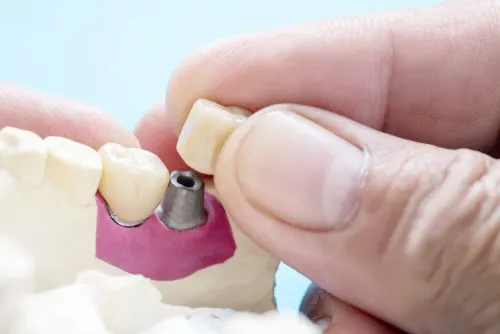
In lingual braces, bonded brackets sit on the tongue-facing surfaces of the teeth. An archwire runs through the brackets, while ligatures or clips hold it in place. The wire tries to return to its planned shape, transferring a carefully directed force through each bracket.
The bracket’s position and the wire’s bends determine whether that force tips, rotates, raises, lowers or shifts the tooth.
The force does not push a tooth straight through bone. It creates pressure in the periodontal ligament on one side of the root and tension on the other.
Cells then remove small amounts of bone where the ligament is compressed and build new bone where the tooth is moving away, allowing the socket to remodel around its new position. This process takes time; excessive force does not speed it safely and can increase discomfort or harm the supporting tissues.
Because the appliance is fixed, you cannot remove it between appointments. Wire changes and activations keep the force system working as the teeth respond, while your orthodontist checks that each tooth is following the planned path.
Which alignment problems can lingual braces treat?
An orthodontist decides whether lingual braces can correct your bite by examining more than tooth position. They assess crowding, spacing, rotated teeth, jaw relationships, gum health, decay, existing restorations and how your teeth meet when you bite.
Dental photographs, a panoramic X-ray and a cephalometric X-ray when indicated reveal roots, bone levels and skeletal discrepancies that a visual check can miss.
| Problem | What lingual braces can do | What determines suitability |
|---|---|---|
| Crowding | Align teeth and create a workable bite | Severity, available space and whether extractions or expansion are needed |
| Spacing | Close gaps and coordinate the dental arches | The cause of the gap, tooth shape and gum support |
| Rotated teeth | Turn individual teeth into a better position | Root shape, anchorage and the amount of rotation required |
| Overbite | Reduce excessive vertical overlap | Incisor position, jaw pattern and whether brackets would be struck |
| Underbite or crossbite | Orthodontists use lingual braces for overbite and underbite correction and crossbite treatment | Whether tooth movement alone can correct the bite or jaw treatment is needed |
Severe crowding, active periodontal disease, short or unusually shaped crowns, extensive restorations, limited tongue space or a bite that repeatedly hits the brackets can make another appliance safer or more predictable. The orthodontist also checks whether you can clean around fixed brackets and attend adjustment visits.
If the problem is skeletal rather than dental, lingual braces alone will not correct it.
What the examination and fitting process involves
An orthodontic examination checks whether your teeth, gums and bite can support lingual treatment. The orthodontist records crowding, spacing, rotations, overbite, underbite and crossbite, then looks for decay, gum inflammation, enamel damage and restorations that could affect bonding.
The records usually include:
- Dental photographs showing tooth position, gum levels, facial symmetry and your bite from several angles.
- A panoramic X-ray showing the roots, developing teeth, bone levels, wisdom teeth and hidden infection.
- A cephalometric X-ray when indicated, especially for jaw-position assessment or significant overbite, underbite or facial imbalance.
- A digital scan or dental impression recording the exact shape of every tooth and the space available for movement.
The orthodontist uses these records to plan anchorage, tooth movement and finishing. The laboratory or digital workflow then designs each bracket for the tongue-facing surface of its tooth. Some systems use individually customised brackets; others use standardised components.
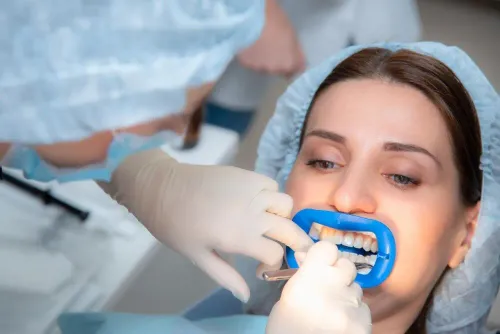
At the fitting appointment, the teeth are cleaned, dried and isolated from saliva. A transfer tray or positioning jig places the brackets at planned heights and angles on the inner enamel surfaces. Dental bonding resin fixes each bracket in place, and the orthodontist checks that brackets do not interfere with your bite.
An archwire is then fitted through the brackets and secured with ligatures or clips. Misplaced or contaminated bonding can cause a bracket to detach or produce unwanted tooth movement, so positioning is checked before you leave.
What happens from bonding to removal and retention
Treatment moves through bonding, active alignment, finishing, brace removal and retention. The exact sequence depends on your bite and the tooth movements planned, but every stage requires monitoring rather than simply waiting for the wire to work.
- Bonding: The orthodontist cleans and prepares the inner tooth surfaces, then transfers the brackets using an indirect placement tray when the system is designed digitally or in a laboratory. A light-cured adhesive fixes each bracket, and an archwire is secured with ligatures or clips.
- Active adjustment: At review appointments, the orthodontist checks tooth movement, bite contacts and bracket security before making wire adjustments. A loose bracket or protruding wire needs prompt attention because it can change the planned forces and injure your tongue.
- Finishing: Once the main crowding or spacing is corrected, smaller bends, elastic wear or repositioned brackets refine rotations, tooth heights and the way the upper and lower teeth meet. This stage is where small inaccuracies are corrected.
- Removal: The brackets are carefully debonded, adhesive is polished from the enamel, and the teeth and bite are checked. Removing the appliance does not itself hold the result permanently.
Retainers begin immediately after removal. Your orthodontist may provide a removable retainer, a bonded wire behind selected teeth, or both. Wear the removable appliance exactly as prescribed; long-term or indefinite night-time wear is common because periodontal fibres, the bite and later growth can shift teeth again.
How long treatment takes and how to manage daily challenges
Treatment duration is controlled by the movements required, not by placing brackets behind the teeth. Crowding, bite correction, extractions, auxiliary appliances, missed appointments, appliance design and your biological response all affect the timeline. Lingual treatment is not automatically faster than braces on the front surfaces.
1. Expect pressure and tightness after bonding or an adjustment, followed by tenderness when biting. The tongue usually notices the appliance more than the teeth do. A bracket or wire rubbing one spot can cause tongue soreness or an ulcer; cover the sharp area with orthodontic wax and use a warm salt-water rinse.
2. Speech changes are common at the start, especially with s, t, d and th sounds. Read aloud for a few minutes each day and eat slowly while your tongue adapts over the first several weeks. Contact the orthodontist if altered speech or tongue irritation persists, because a wire or bracket may need adjustment.
3. Clean around every bracket with a small orthodontic toothbrush or interdental brush, then brush with fluoride toothpaste twice daily. A water flosser can help dislodge food, but it does not replace brushing or cleaning between teeth. Sticky sweets and hard foods increase the chance of loosening attachments.
4. Contact the practice promptly if a wire protrudes or a bracket becomes loose; do not wait for the next scheduled visit. A loose bracket can change the planned force system.
At Kaira Dental Care & Implant Centre, ask how the proposed tooth movements, cleaning demands and speech risks compare with ceramic braces or aligners before choosing an appliance.
Related service
Lingual Braces Treatment Dr. Ashi Agarwal, a skilled Dental Surgeon at her clinic on Wagbil Road, Kavesar, Thane West, offers Lingual Braces Treatment for patients seeking a... View service → |
Frequently asked questions
How do lingual braces move teeth?
Brackets bonded to the tongue-facing surfaces hold an archwire. The wire applies controlled force, and the periodontal ligament allows each tooth to remodel its surrounding bone and move gradually.
Which alignment problems can lingual braces treat?
Lingual braces can correct many crowding, spacing and bite problems. An orthodontic examination is needed to confirm whether they suit your specific tooth positions and treatment goals.
What happens when lingual braces are fitted?
The orthodontist examines your teeth and bite, plans the movements, prepares custom brackets when required, bonds them behind your teeth and places the archwire. You receive instructions for cleaning and follow-up adjustments.
What daily challenges do lingual braces cause?
Your tongue may need time to adapt, affecting comfort and speech. Careful brushing, cleaning around the brackets and following food guidance help protect your teeth and appliance.
What happens after lingual braces are removed?
Your orthodontist provides a retainer to hold the corrected tooth positions while the supporting tissues adapt. Wear it according to the prescribed schedule and attend retention reviews.