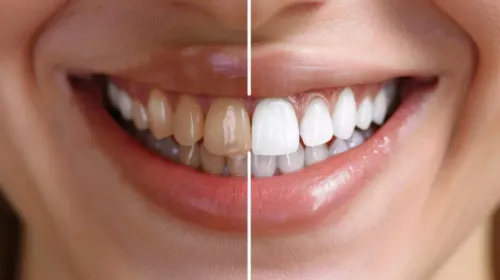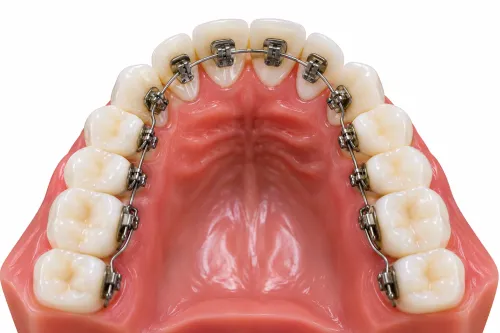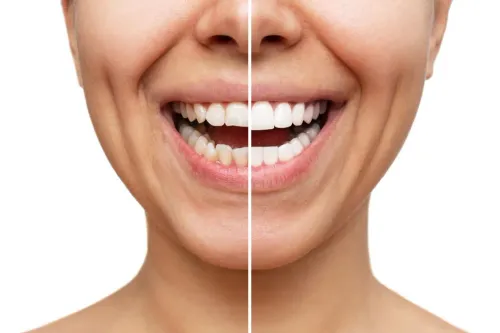
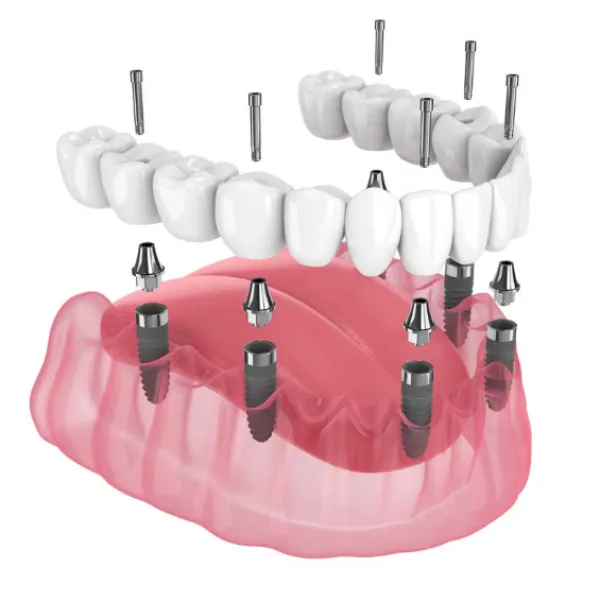
Losing most or all teeth in one jaw can affect far more than appearance. Eating certain foods may become difficult, speech can change, and removable dentures may not provide the stability some patients expect. Full Arch Implants are one treatment approach that may be considered when an entire upper or lower dental arch requires replacement.
Understanding how the treatment works can help patients in Waghbil, Thane West make more informed decisions before considering implant-supported teeth.
What Are Full Arch Dental Implants
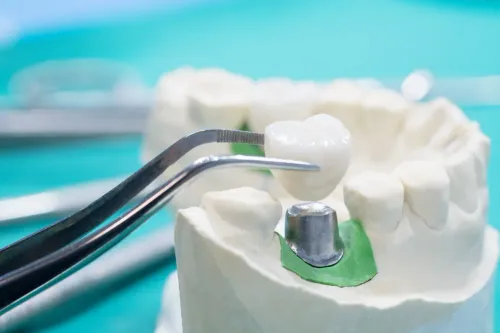
Unlike replacing every missing tooth with a separate implant, full arch treatment typically uses strategically positioned dental implants to support a fixed or removable full-arch prosthesis.
The exact number and position of implants depend on factors such as:
- Available jawbone
- Anatomical structures
- Bite forces
- Gum and oral health
- Type of final prosthesis
- Clinical treatment plan
There is therefore no universal implant number that is suitable for every patient.
How Are They Different From Conventional Dentures
Traditional removable dentures generally rest on the gums. Implant-supported full-arch teeth receive additional support or retention from implants placed in the jawbone.
This can provide greater stability in suitable cases. However, implant treatment also involves surgery, healing, maintenance requirements, and a detailed assessment of bone and general health.
A conventional denture may still be appropriate for certain patients. The right option depends on clinical findings, expectations, maintenance ability, budget, and individual circumstances.
What Happens Before Treatment
The planning stage is particularly important for full-arch cases.
A dental evaluation may include examination of the mouth, dental imaging, assessment of bone quantity and quality, review of remaining teeth, bite analysis, and discussion about medical history.
If unhealthy teeth remain, the dentist must determine whether they can be treated and preserved or whether extraction should be considered.
Patients should also understand the difference between temporary teeth used during certain stages and the definitive prosthesis provided later.
Maintenance Still Matters After Implant Treatment
Implant-supported teeth are not maintenance-free. Cleaning around the prosthesis and implants remains essential.
Patients may require specific brushes, interdental cleaning aids, water flossing devices, or other methods depending on the design of the restoration. Regular dental reviews help monitor the implants, surrounding tissues, bite, and prosthetic components.
At Kaira Dental Care & Implant Centre, people exploring full-arch tooth replacement can have their oral condition evaluated before deciding whether implant-supported rehabilitation is suitable.
For patients across Waghbil, Thane West and nearby parts of Maharashtra, the most useful first step is understanding what can be preserved, how much support is available, what treatment stages are involved, and what long-term maintenance will require. Full arch implant treatment should ultimately be selected on clinical suitability rather than simply because it offers a fixed-tooth option.
Keywords